

Disclosure: royaltypewriters.com participates in the Amazon Services LLC Associates Program, an affiliate advertising program designed to provide a means for sites to earn advertising fees by advertising and linking to Amazon.com.
Typewriters are enjoying a quiet comeback among writers, journalists, students and hobbyists who want a tool that does one thing: put words on paper. There is no inbox, no notification and no browser tab to wander into. If you are curious about writing on a typewriter, the first question is which kind to buy. This guide walks through manual and electronic options, what each suits, and how to choose, with links to Royal-branded machines you can compare on Amazon.
Why writers use typewriters
Writers who switch to typewriters tend to mention the same few benefits. First, distraction-free writing: a typewriter cannot check email. Second, commitment: you cannot endlessly edit as you type, so first drafts tend to move forward instead of circling back. Third, tactile pleasure: the sound and feel of each keystroke make writing feel physical and intentional. Finally, permanence: a typed page is a real object you can hold, mark up and file.
None of that means a typewriter is better than a computer for every task. Most people use one for first drafts, letters, journals or short pieces, then type up the final version digitally. That hybrid workflow is common and works well.
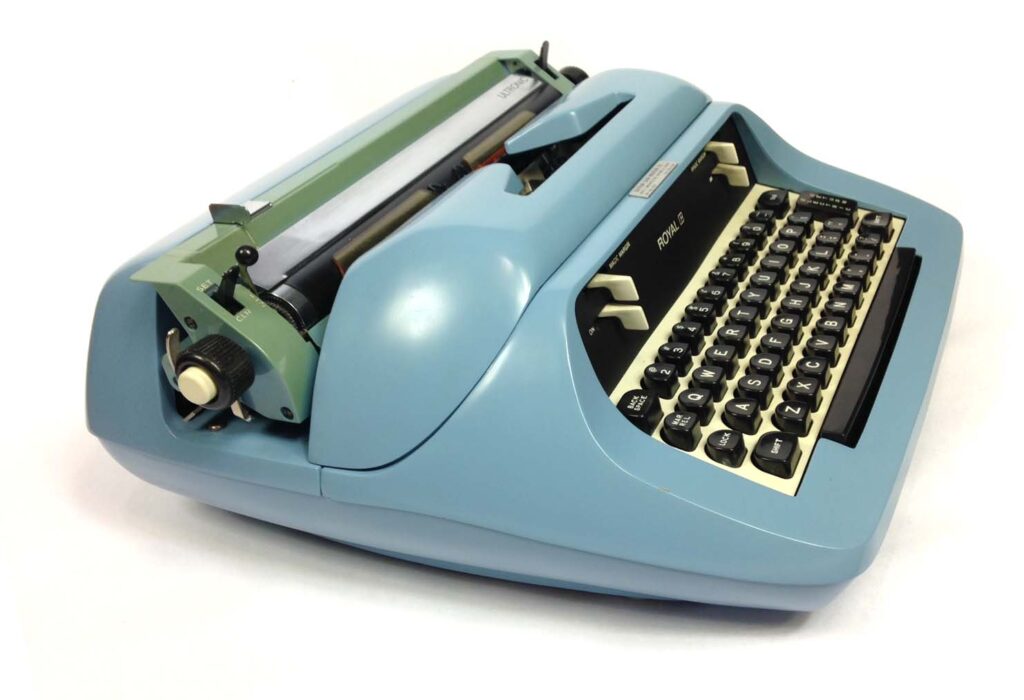
The three types you will see
Manual typewriters
A manual typewriter is entirely mechanical. Pressing a key moves a typebar that strikes the ribbon and paper, and you return the carriage by hand. There is no electricity, which means it works anywhere. Manuals are also the simplest to maintain and the most closely tied to the classic typewriter experience.
Electric typewriters
Electric machines use a motor to assist the strike or the carriage. They need a power outlet. Typing is lighter and more uniform, which some typists prefer.
Electronic typewriters
Electronic models add features such as correction, memory or a small display on top of the electric mechanism. They are the most computer-like option, and many writers appreciate the ability to fix errors more easily. They need power and have more electronics to go wrong over time.
Manual vs electronic: how to choose
- Choose manual if you want the classic experience, portability and independence from power.
- Choose electronic if you want correction features, lighter keystrokes or you plan to type long pieces.
- Consider budget and space. Manuals are usually simpler and more portable; electronic machines are usually bulkier.
- Think about noise and neighbors. Manuals are loud in a satisfying way; some electronic models are quieter.
Royal manual typewriters to compare
Royal has long been one of the best-known typewriter names, and several new Royal-branded manuals are sold on Amazon today. Each listing is different, so check the photos, description and recent reviews for the exact model.
- The Royal Epoch classic portable manual typewriter in gray is a popular portable choice; read our Epoch review for a balanced look.
- The Classic Retro Manual typewriter is a retro-styled manual aimed at beginners.
- The vintage-style blue manual and the purple classic manual bundle add color if you want your machine to stand out.
- A classic manual bundle in red with extra ribbons is handy if you plan to type a lot and want spares.
- A simple black manual typewriter suits a minimalist desk.
Electronic options
If you like the idea of a typewriter but want a little help with mistakes, an electronic model may suit you better. The Scriptor II 69147T electronic typewriter in white and the 69149V Scriptor typewriter are examples to compare. Because features differ between models, read the listing carefully for details such as correction, memory and power requirements.
What to look for in any typewriter
Typing feel
Keys should strike firmly and return quickly, without sticking. If you can try a machine in person, do. Otherwise rely on recent buyer reviews.
Portability
If you plan to write at cafes or travel, weight and a carrying case matter. A machine that lives on your desk can be heavier.
Ribbon availability
Check what ribbon the machine uses and whether replacements are easy to find. Bundles with extra ribbons are a convenient way to start.
Paper handling
Make sure the machine handles the paper size you use, and that it feeds straight.
Condition and returns
For new machines, check the return window and inspect on arrival. For vintage machines, see our buying checklist.
A simple workflow for typewriter drafting
- Set a daily page or word goal and type your first draft without editing.
- Mark up the printed pages by hand with a pen.
- Type up the revised version on a computer, which gives you a built-in second draft.
- Keep the typed pages in a folder, so your process leaves a physical trail.
Should you buy new or vintage?
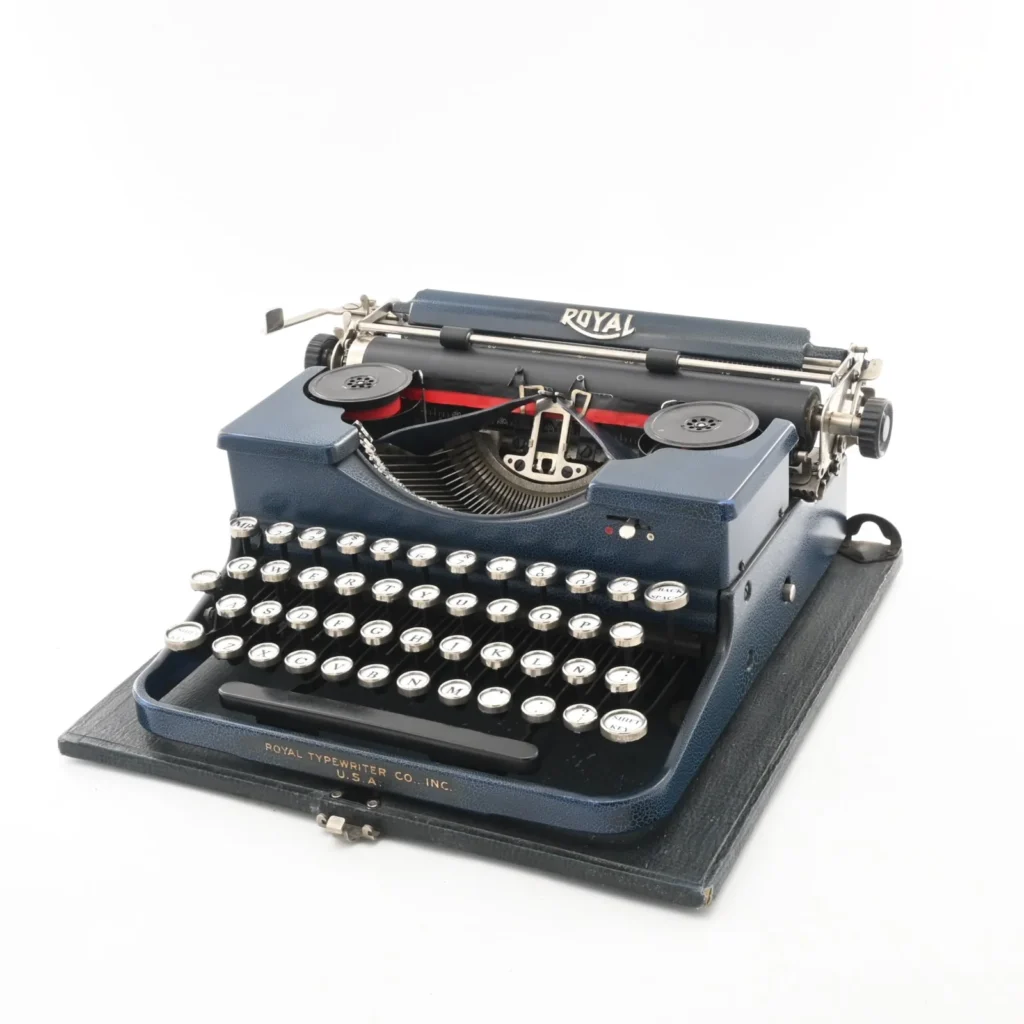
New machines are convenient and come with a return option. Vintage machines offer character, build quality and the connection to history, but they can need cleaning or repair. If you are not sure, start with a new, inexpensive machine to see whether typewriting fits your routine, then consider a vintage one later. Our vintage buying guide covers what to check and where to shop.
Frequently asked questions
What is the best typewriter for beginners?
A new manual in good condition is the simplest start. It needs no power and has few parts to fail.
Do I need special paper?
No. Regular printer paper works, though slightly heavier paper often looks better.
Are typewriters good for novel writing?
Many writers draft on them. Others use them for outlines, journals and short scenes. You can mix methods.
Is an electronic typewriter better than a manual?
Neither is better overall. Electronic is easier on the fingers and can correct errors; manual is simpler and more portable.
Can I use a typewriter without a ribbon?
No. The ribbon provides the ink. When print fades, replace it.
Our pick
For most writers who want to try the experience, a new manual is the easiest place to start, and an electronic model is worth considering if correction features matter to you. Compare current options and prices on Amazon, starting with the Royal typewriter collection.